Signing up for your first trail marathon is exciting, but it’s also a distance and style of racing that deserves a bit of respect.
A trail marathon isn’t simply a road marathon on dirt paths. The climbs are often steeper, the descents place different demands on your legs, and you’ll probably spend a lot longer out on the course than you would on the road. The beauty of trail running is that pace becomes far less important. It’s about moving efficiently, managing your effort and enjoying the experience along the way.
The good news is that you don’t need years of mountain experience or huge training mileage to have a great day out. What you do need is a sensible approach to training and enough time to prepare properly.
Build gradually and let your training progress naturally
One of the biggest mistakes first-time trail marathon runners make is trying to do too much too soon. It’s easy to get excited and start hammering long runs and big hill days straight away, but that often leads to fatigue, niggles or complete burnout before race day even arrives.
Think of your training as a gradual progression towards the event.
The early stages should be about building your base. Get used to running consistently and build your weekly volume steadily. As your fitness improves, you can start introducing more structured sessions and slightly bigger days in the hills. The final part of your training should become more specific to the demands of the event before you ease back during your taper.
The aim is to arrive on the start line feeling fresh, confident and excited to race, not physically and mentally exhausted from trying to cram too much into the build-up.
Train specifically for the demands of trail running
The fitter you become, the more specific your training should become.
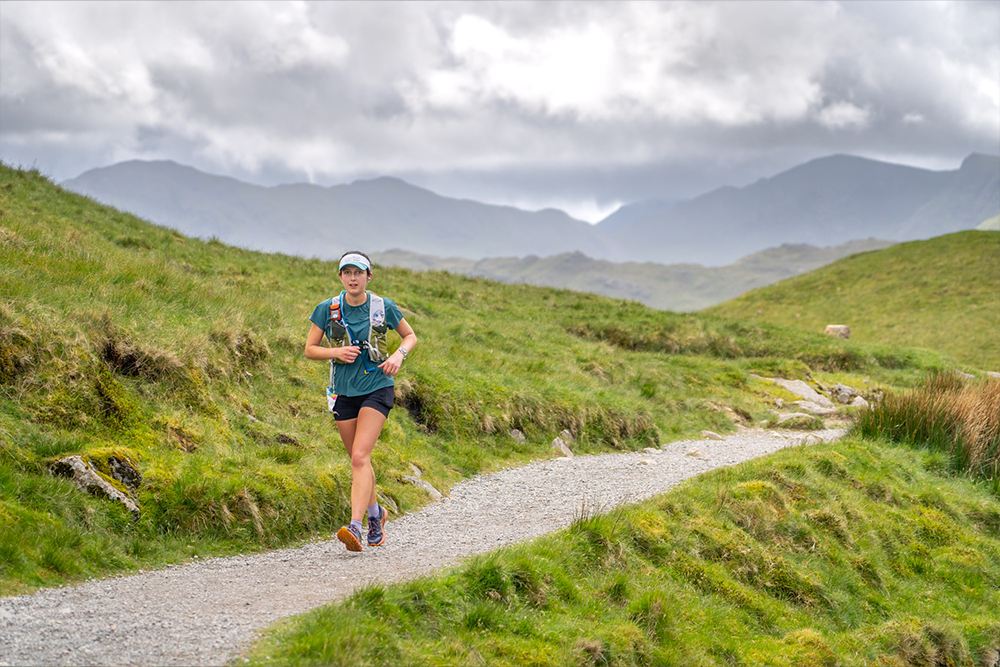
Trail marathons ask a lot of your body. You’ll need to climb efficiently, descend confidently and cope with constantly changing terrain.
Hill training is one of the best ways to prepare. That doesn’t mean every session has to be an all-out effort up the steepest climb you can find. Short hill repetitions can help build strength and power, while longer sustained climbs are excellent for improving your aerobic fitness and teaching you how to pace yourself uphill.
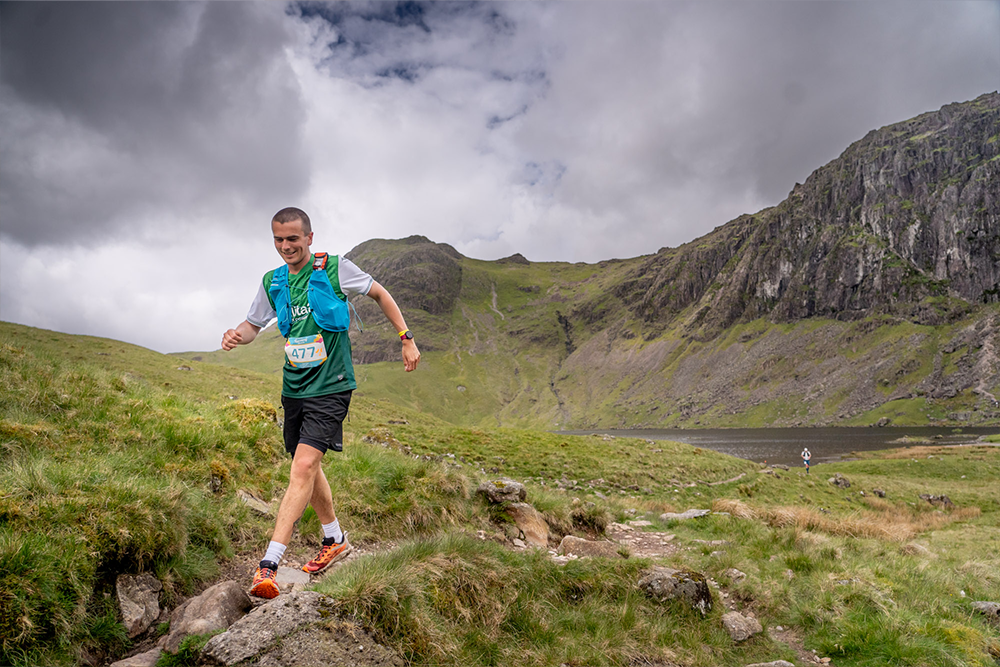
Don’t forget about downhill running either. Descending well can save a huge amount of time and energy, but it also places a lot of stress on the legs, particularly the quads. Spending time practising technical descents will improve your confidence and help condition your muscles to handle the demands of race day.
Strength and conditioning also has a huge role to play.
Trail running is essentially a series of single-leg movements. Every step requires your body to stabilise, produce force and absorb impact on one leg at a time. Exercises such as split squats, step-ups, single-leg deadlifts and lunges can improve your strength, stability and resilience, helping you maintain good movement patterns when fatigue inevitably starts to creep in later in the race.
Strong glutes and hips can also make a big difference on the climbs, while better single-leg control often leads to more confidence and efficiency on technical descents.
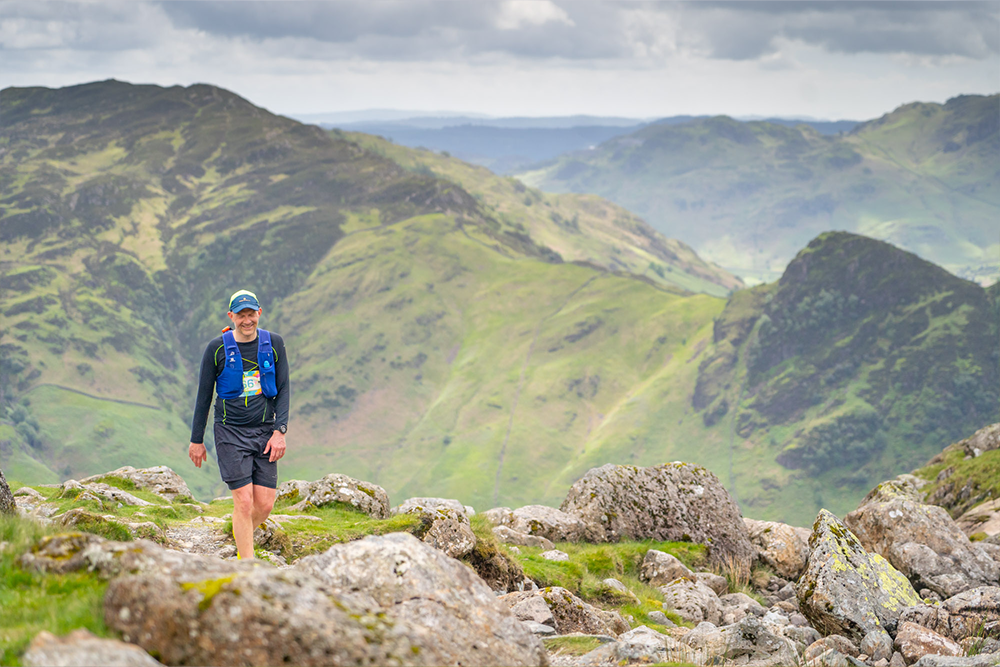
Make your training look like your race
As race day approaches, your training should start to resemble the event you’re preparing for.
If your goal is the Lake District Running Festival Trail Marathon, spending every weekend running flat roads probably isn’t the best preparation.
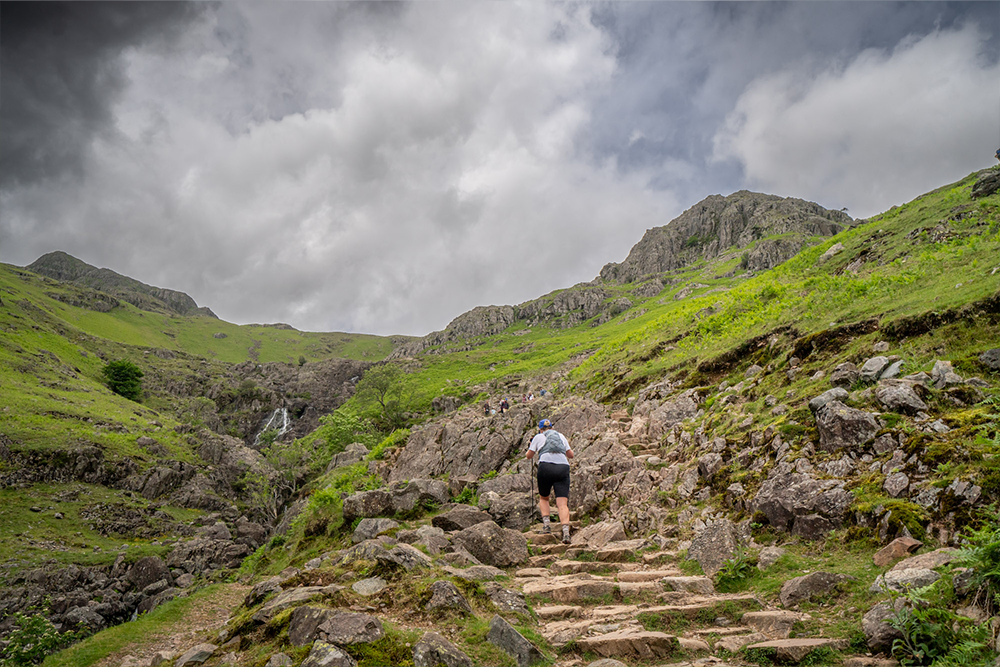
Try to get onto similar terrain whenever you can. Run on rocky paths, uneven trails and sustained climbs. Practice moving between different surfaces and get comfortable changing your rhythm depending on the gradient and terrain underfoot.
The more familiar these things become during training, the less energy you’ll waste dealing with them on race day.
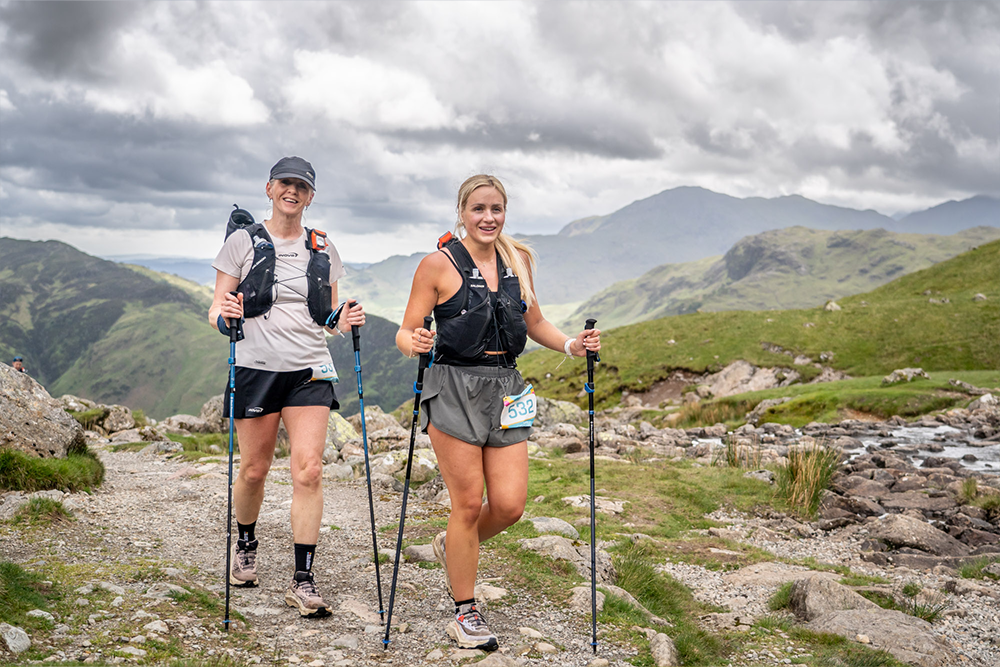
Practice race pace and test your kit
A trail marathon isn’t run at one pace.
There will be sections where you’re running comfortably, sections where you’re working hard and sections where walking is actually the most efficient option.
Practising your goal effort over varied terrain can teach you a lot about pacing. It can also give you confidence that your planned race strategy is realistic.
It’s also worth using some of these sessions to test your kit. Wear the shoes, pack and clothing you intend to use on race day. If you’re planning to carry soft flasks, poles or extra layers, train with them.
Race day should never be the first time you use a piece of kit.
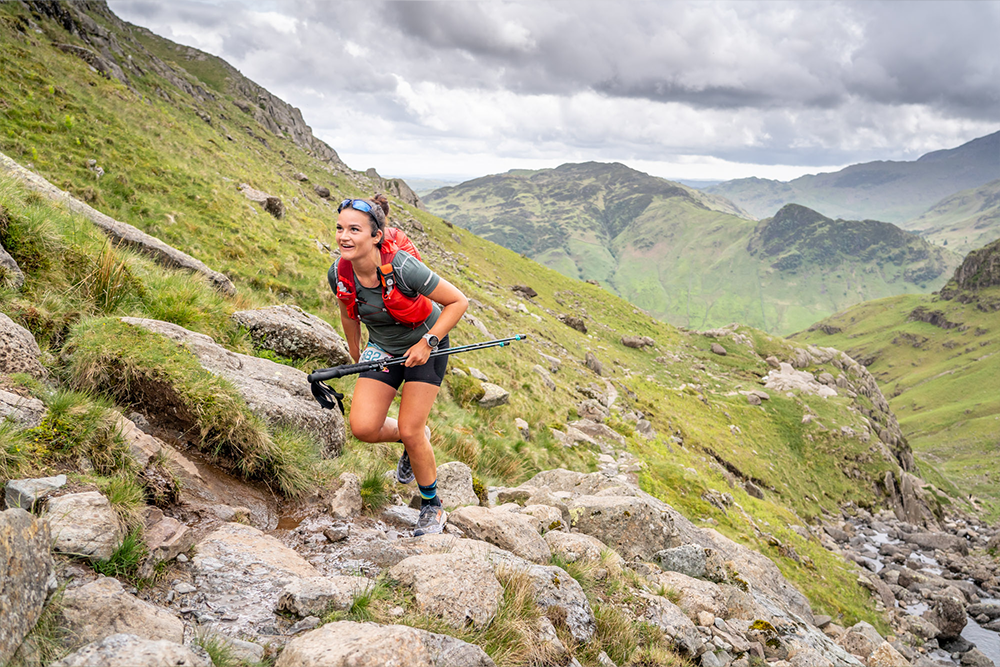
Learn the course
If you’re lucky enough to live locally, try to recce sections of the course if possible.
If you don’t, spend some time looking at the route profile and familiarising yourself with what lies ahead. Knowing where the major climbs are, where you might be able to open your stride and where the technical sections begin can make a big difference mentally.
The Lake District Running Festival Trail Marathon is a challenging route, but it’s also incredibly rewarding. Knowing what to expect can remove a lot of unnecessary anxiety and allow you to focus on enjoying the experience.
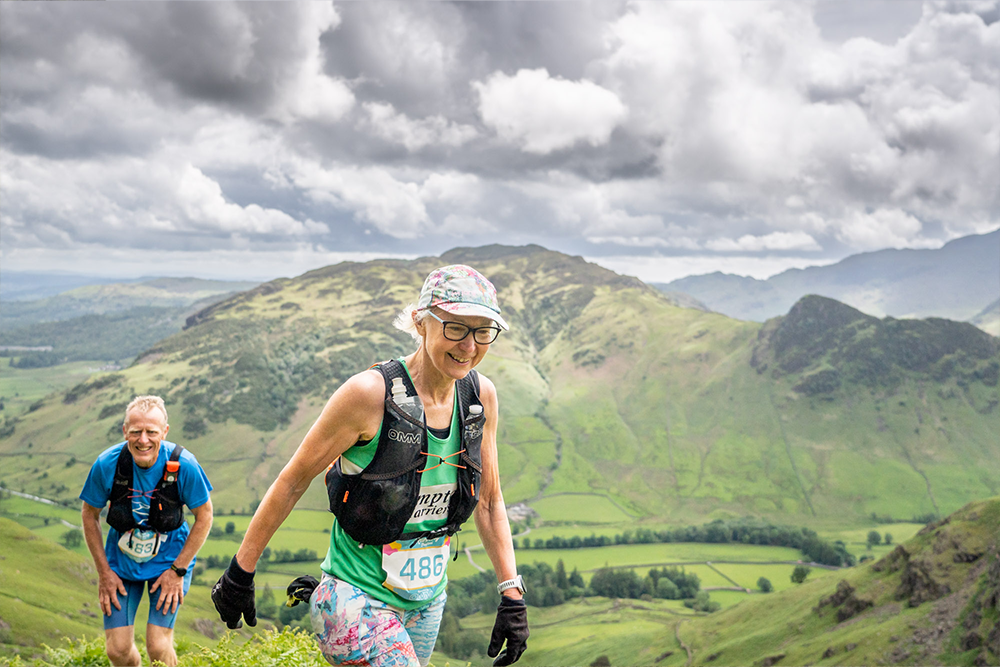
Long runs are important, but recovery matters just as much
Most runners appreciate the importance of long runs, but many underestimate the value of recovery.
You don’t get fitter during the session itself. You get fitter when your body recovers and adapts afterwards.
That means easy days need to be genuinely easy, and sleep should be viewed as part of your training rather than an optional extra.
A good night’s sleep supports recovery, helps replenish energy stores, aids muscle repair and allows your body to absorb the work you’ve put in. Consistently sacrificing sleep while increasing training volume is often a fast track towards feeling flat and run down.
Fuel your training properly
One of the biggest differences between trail marathon training and preparing for shorter races is the amount of energy required.
Long runs, bigger training weeks and time spent in the hills all place significant demands on your body. Under-fuelling is one of the quickest ways to end up feeling constantly tired, struggling to recover or picking up injuries.
Carbohydrate is particularly important because it’s your body’s preferred fuel source during harder efforts. If you’re consistently running on low energy availability, you’ll often find yourself feeling sluggish, struggling to hit sessions and taking much longer to recover.
Keeping yourself regularly fuelled throughout training allows you to recover better, train more consistently and handle bigger workloads over time.
It’s also worth practising your race nutrition during long runs. Find out what works for you, when you need to eat and how much you can comfortably take on board. Nothing new should be introduced on race day.
Train with others when you can
Long runs are often easier when you’ve got company.
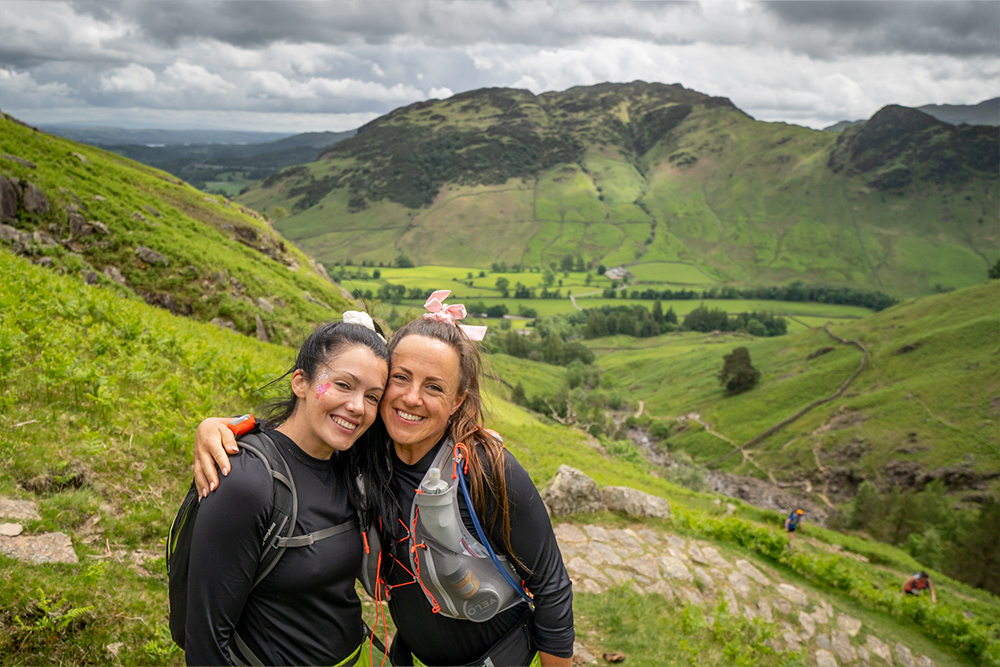
Training with friends can make bigger days in the hills feel less daunting and help the miles pass a little quicker. It can also be useful from a practical point of view, allowing you to practise moving as part of a group and learn from runners with more experience.
One of the things we love about trail running is the community that comes with it. Don’t be afraid to ask questions, join local groups or get others involved in your preparation.
Enjoy the process
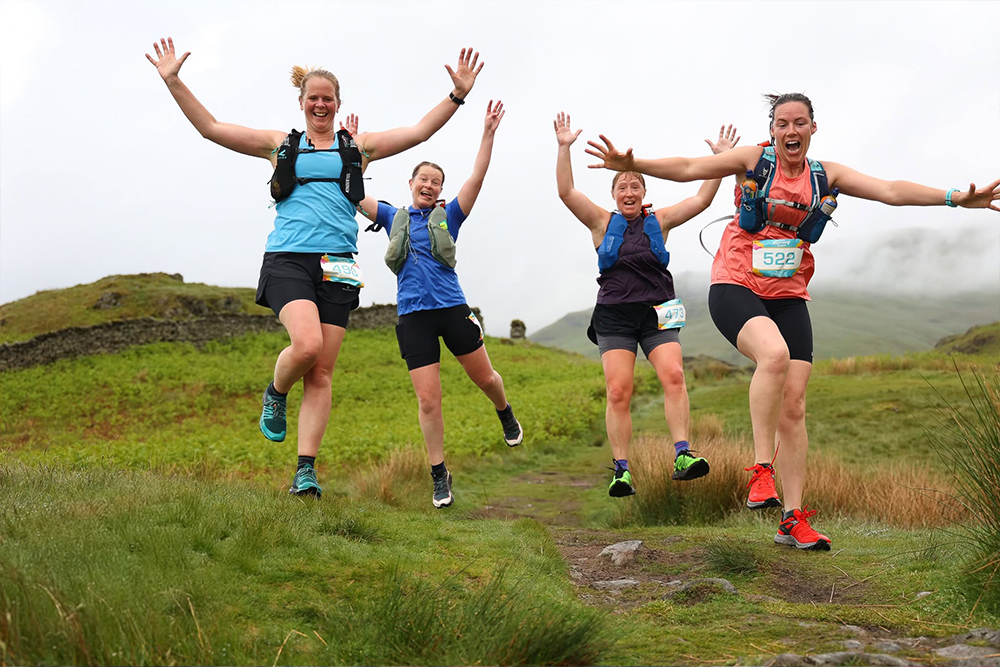
Your first trail marathon doesn’t need to be perfect.
There will be sessions that go brilliantly and others that don’t. You’ll probably question whether you’ve done enough at some point and there will inevitably be days where the hills feel harder than they should.
That’s all part of the process.
If you train consistently, build gradually and spend time preparing for the specific demands of the event, you’ll give yourself every chance of having a great experience.
And if you’re joining us at the Lake District Running Festival, remember that the aim isn’t simply to get to the finish line. It’s to enjoy a brilliant day out in one of the most beautiful places to run in the country.
Look out for trail marathon training plans and tips coming soon, subscribe to emails or follow us on Facebook and instagram to stay up to date with the latest news.
About the Author
This guide was written by OMM Athlete Chris Holdsworth, an England and Great Britain representative in mountain and fell running who has won and set course records at races ranging from trail marathons to ultras.
He has also spent more than six years helping runners prepare for their own trail running goals as an endurance running coach.